Kitchen journal

FeedsAtlas

A kitchen atlas for everyday cooking.

Cover image for Shopping From a Short List Without Forgetting the Staples
Meal Planning

Shopping From a Short List Without Forgetting the Staples

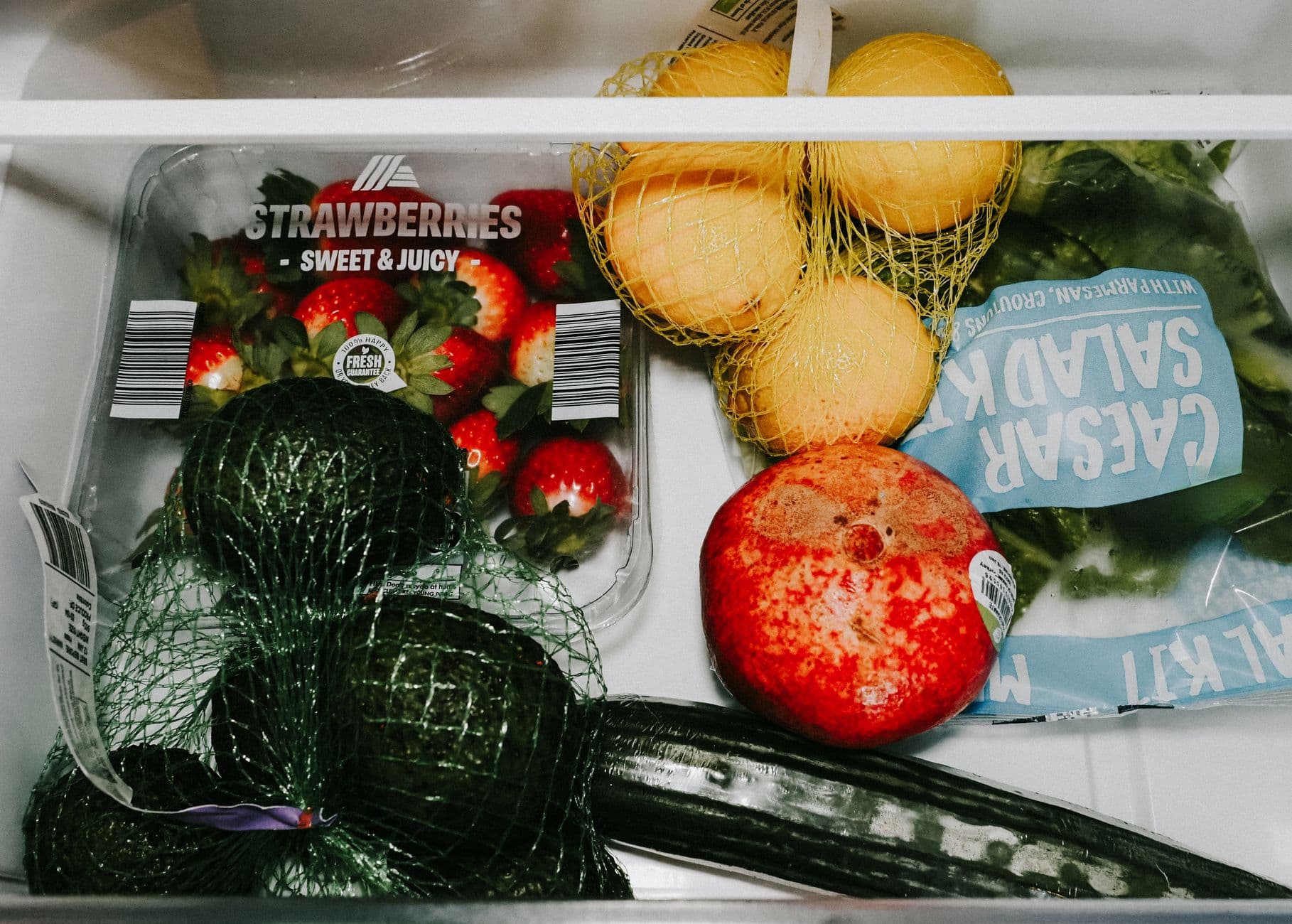
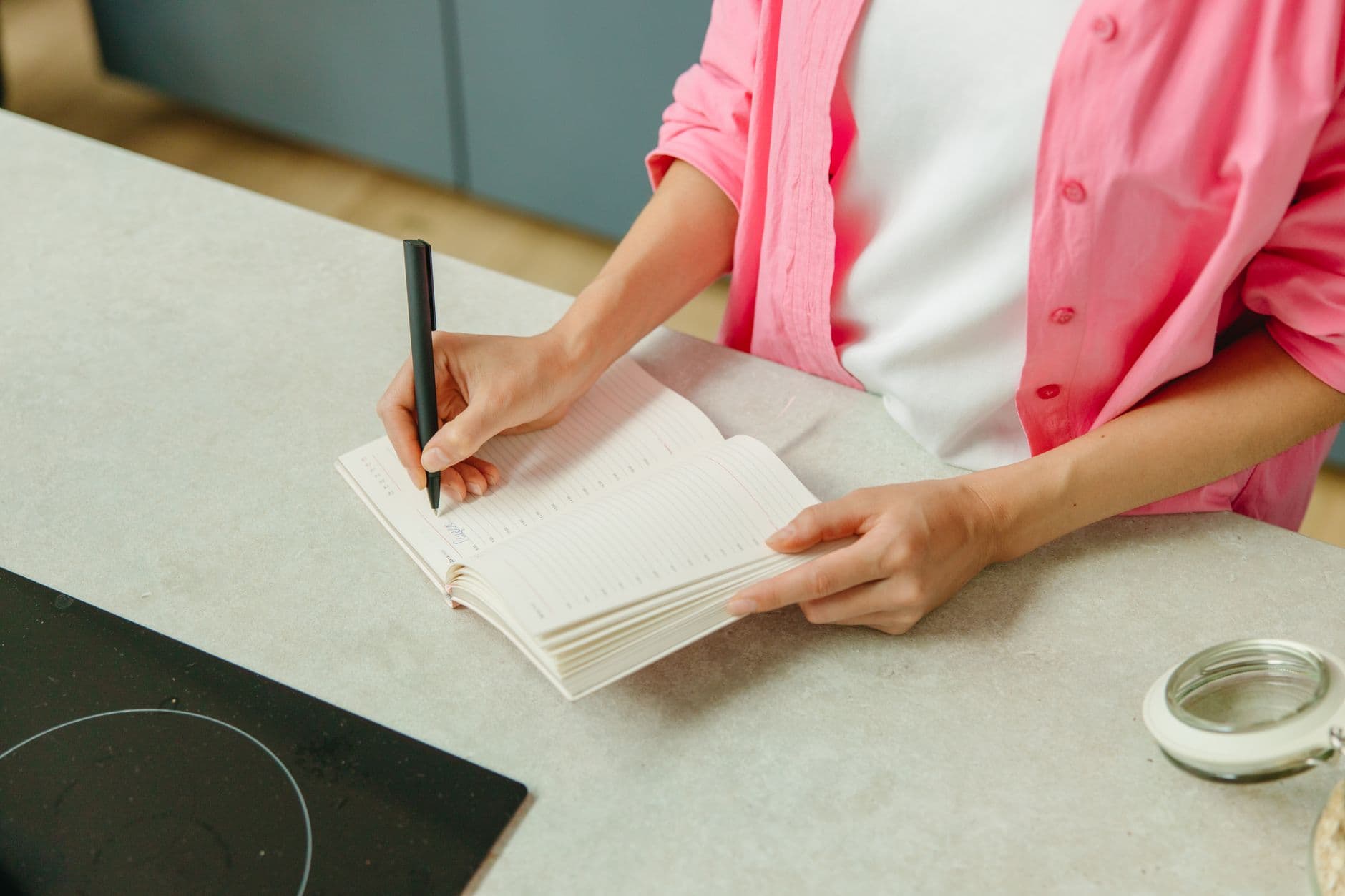
You’re staring at a short grocery list, feeling efficient—until you get home and realize you forgot olive oil, salt, or coffee. Balancing concise shopping with the everyday staples your kitchen relies on is a dilemma for every home cook. Stick to a short list for the meal, then give the pantry a 30-second scan for oil, salt, and the one condiment you always run out of.

Benjamin Shaw

From the kitchen

Cover image for A Freezer Label System You Will Actually Read Later
Meal Planning

A Freezer Label System You Will Actually Read Later

You reach into your freezer for a quick dinner and discover a half-dozen unmarked containers, all frosted and anonymous. Was that stew from last month or last winter? If you’ve ever played the guessing game with your frozen leftovers, you know the stress—and the waste—of a poorly labeled freezer. A practical freezer food label system doesn’t need to be fussy, but it does need to be readable, consistent, and actually used. Here’s a realistic look at how to set up a labeling habit you’ll stick with, through the lens of a typical evening in the home kitchen.
Cover image for A Two-Night Cook-Once Plan That Does Not Taste Like Repeats
Meal Planning

A Two-Night Cook-Once Plan That Does Not Taste Like Repeats

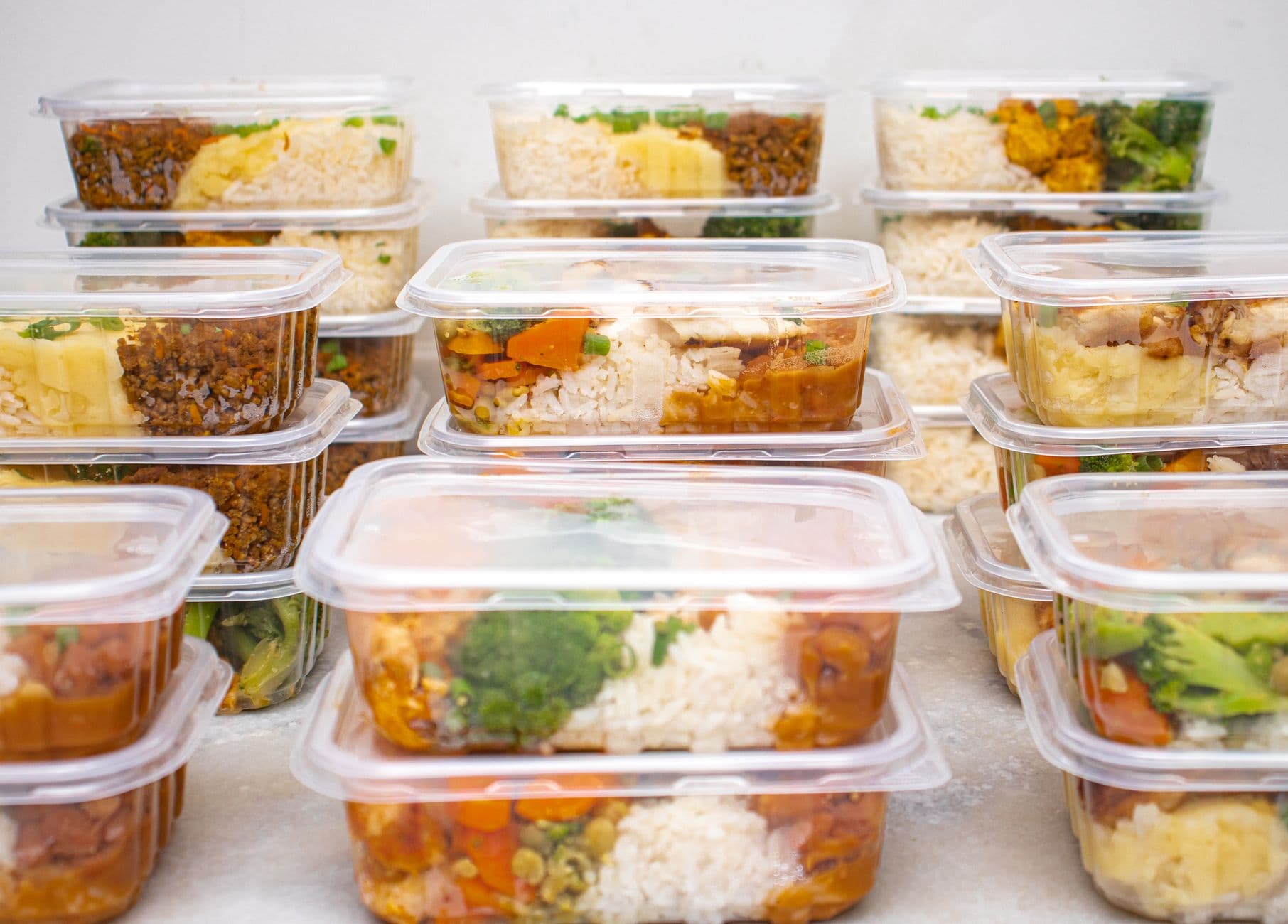
Cook once, eat twice plans often sound like a weeknight miracle—until you find yourself dreading round two of leftovers. Avoiding repetition isn’t magic; it’s a matter of understanding the points where most home cooks get tripped up, like limp reheats, flavor fatigue, and unsafe storage. Choose a flexible base, store it safely, and change the second night’s garnish, starch, or sauce so dinner does not feel like a rerun.

Cover image for Rice-Cooking Families: Absorption, Pilaf, and Pasta-Style
Culinary Traditions

Rice-Cooking Families: Absorption, Pilaf, and Pasta-Style

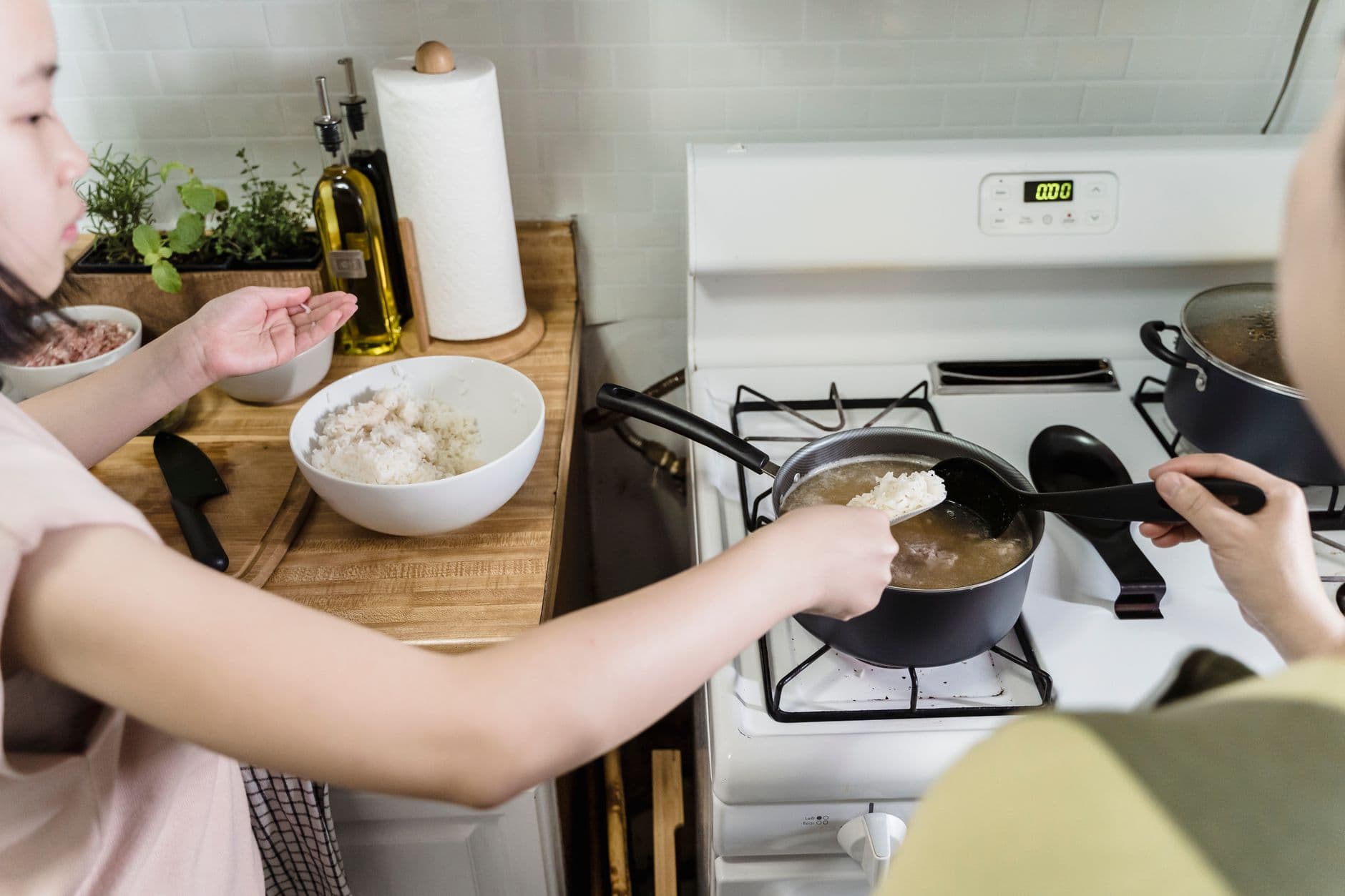
Most home cooks have faced a pot of rice that’s gummy, scorched, or stubbornly crunchy. The root of the problem often lies in choosing the right rice method, knowing its quirks, and troubleshooting when things go sideways. Absorption, pilaf, and pasta-style cooking each fail in different ways. Match the method to the grain and the meal, then fix the usual mistakes instead of starting over.

Cover image for Broth Versus Stock in a Home Kitchen, Without the Myths
Culinary Traditions

Broth Versus Stock in a Home Kitchen, Without the Myths

Every home cook eventually faces the broth vs stock debate, especially when a recipe simply calls for 'chicken stock' or 'vegetable broth' and your pantry offers neither. Do the differences actually matter for a Tuesday night soup or a freezer stash of winter stews? Here’s a practical, myth-free look at what sets broth and stock apart, how to make each with what you have, and why you shouldn’t stress over labels—plus, essential food safety steps that keep your homemade liquids safe and delicious.

Cover image for A Flatbread Family Map You Can Cook at Home
Culinary Traditions

A Flatbread Family Map You Can Cook at Home

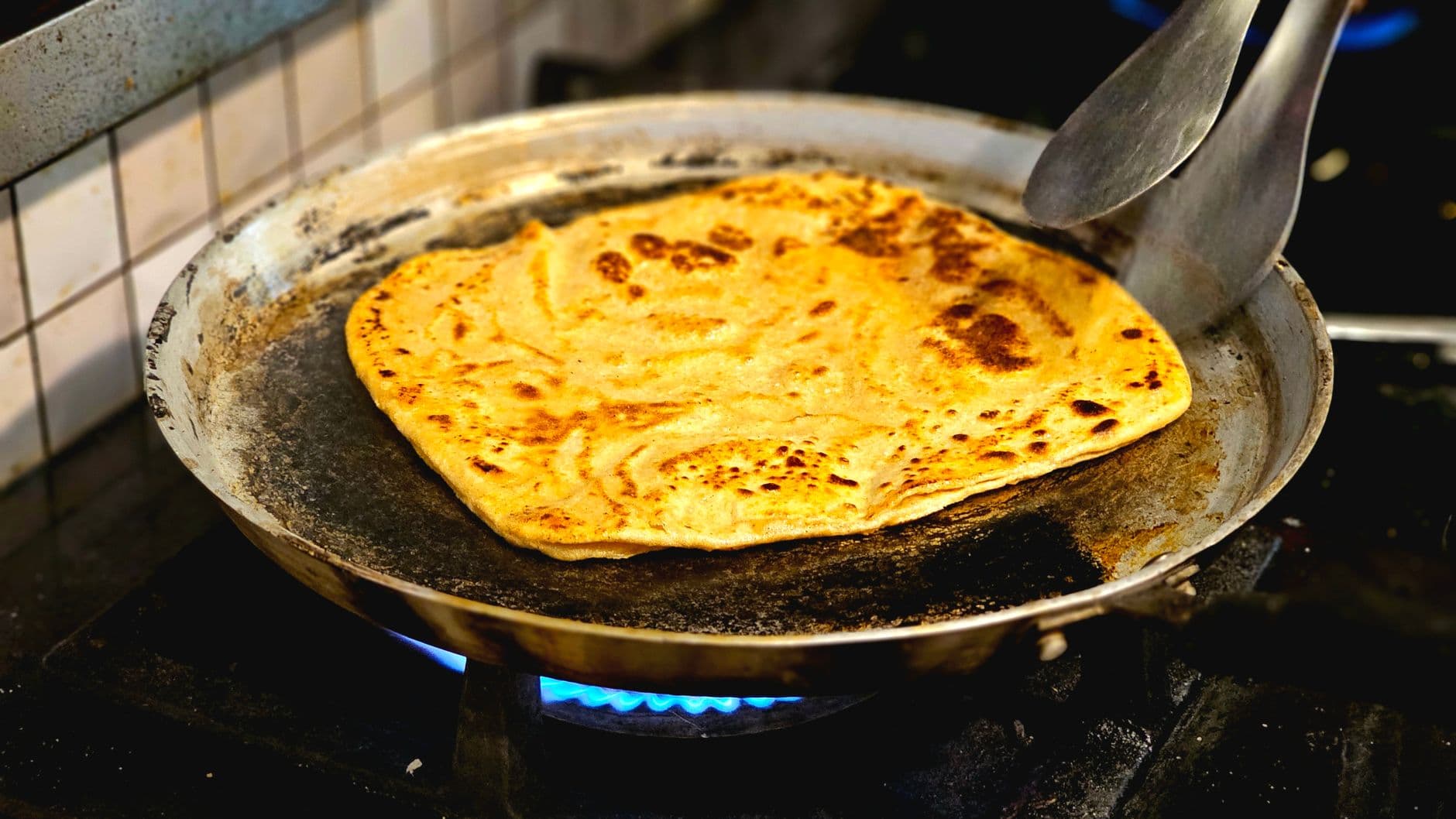
Standing at your kitchen counter, flour dusted across your hands, you might wonder: should you roll out a chewy naan, crisp up a tortilla, or try a simple skillet bread? Flatbreads are one of the world’s oldest, most adaptable staples, but deciding which home flatbread type to make—and how to make it safely and well—can feel like a leap into culinary geography. This practical guide charts a handful of classic flatbreads, with step-by-step advice for mixing, shaping, cooking, and storing, so you can confidently explore global traditions right at your own stove.

Cover image for A Dumpling-Fold Overview for Home Cooks Who Are Starting Out
Culinary Traditions

A Dumpling-Fold Overview for Home Cooks Who Are Starting Out

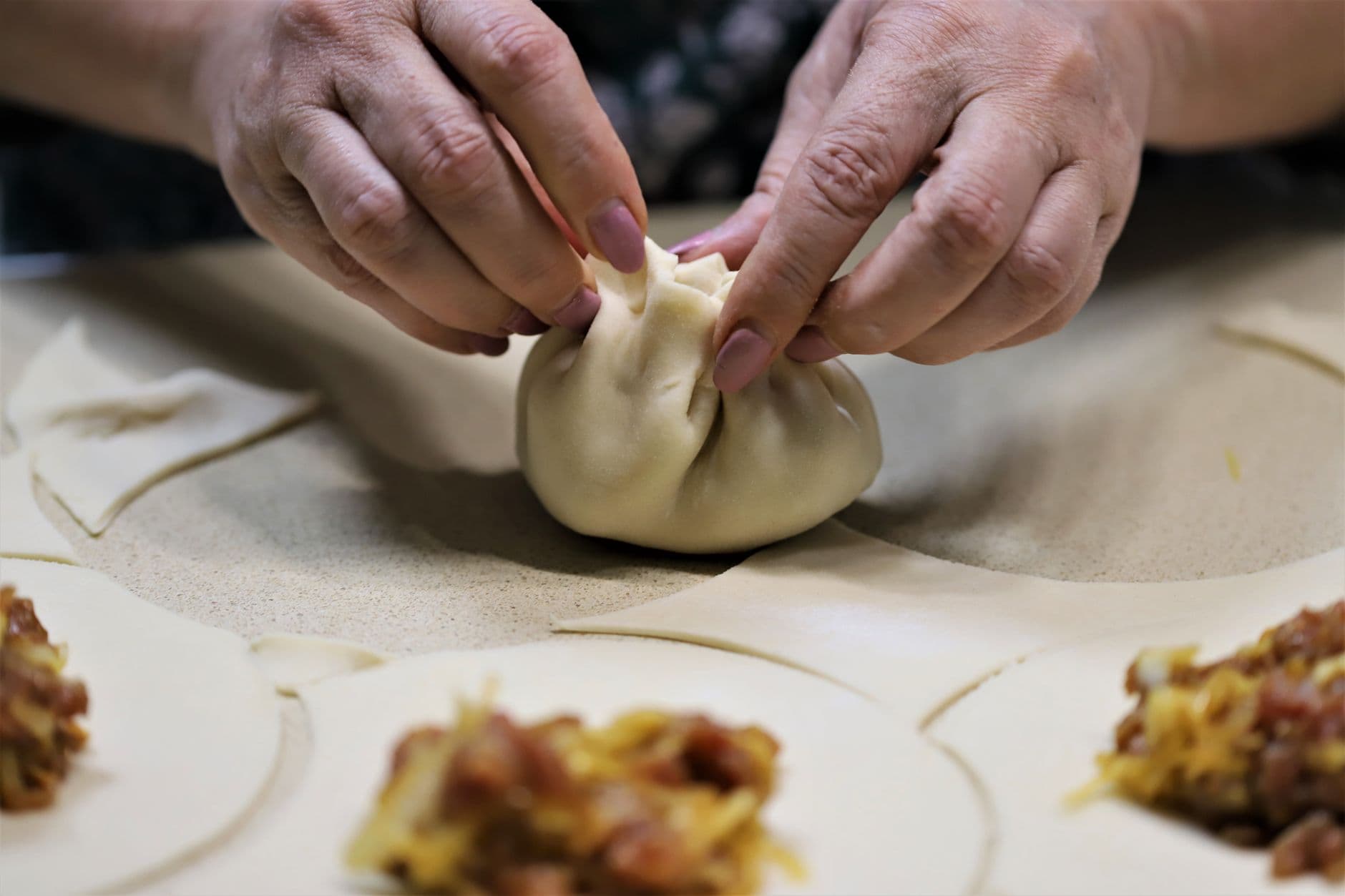
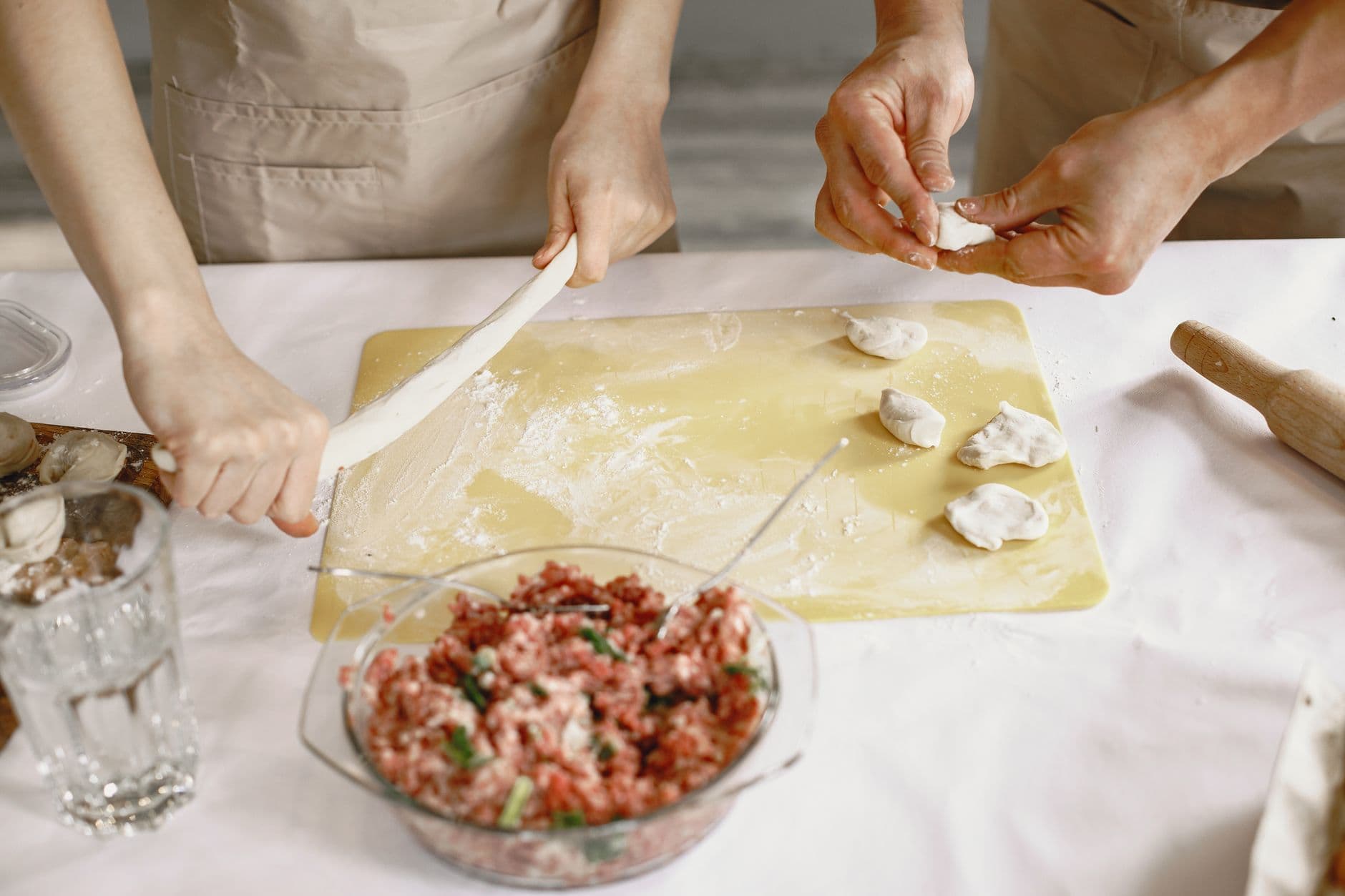
Dumpling fold techniques look intimidating for beginners, but a few simple, reliable folds can open up a world of homemade comfort food. This walkthrough covers the best starter folds, how to keep fillings safe and fresh, and why the right fold matters for steaming, boiling, or pan-frying. If you’ve ever wondered whether your dumplings will hold together, or how to avoid gummy bottoms and leaks, this guide helps you get hands-on without the overwhelm.

Weeknight Cooking

All weeknight cooking
Cover image for Sheet-Pan Timing So Vegetables Brown Instead of Steam
Weeknight Cooking

Sheet-Pan Timing So Vegetables Brown Instead of Steam

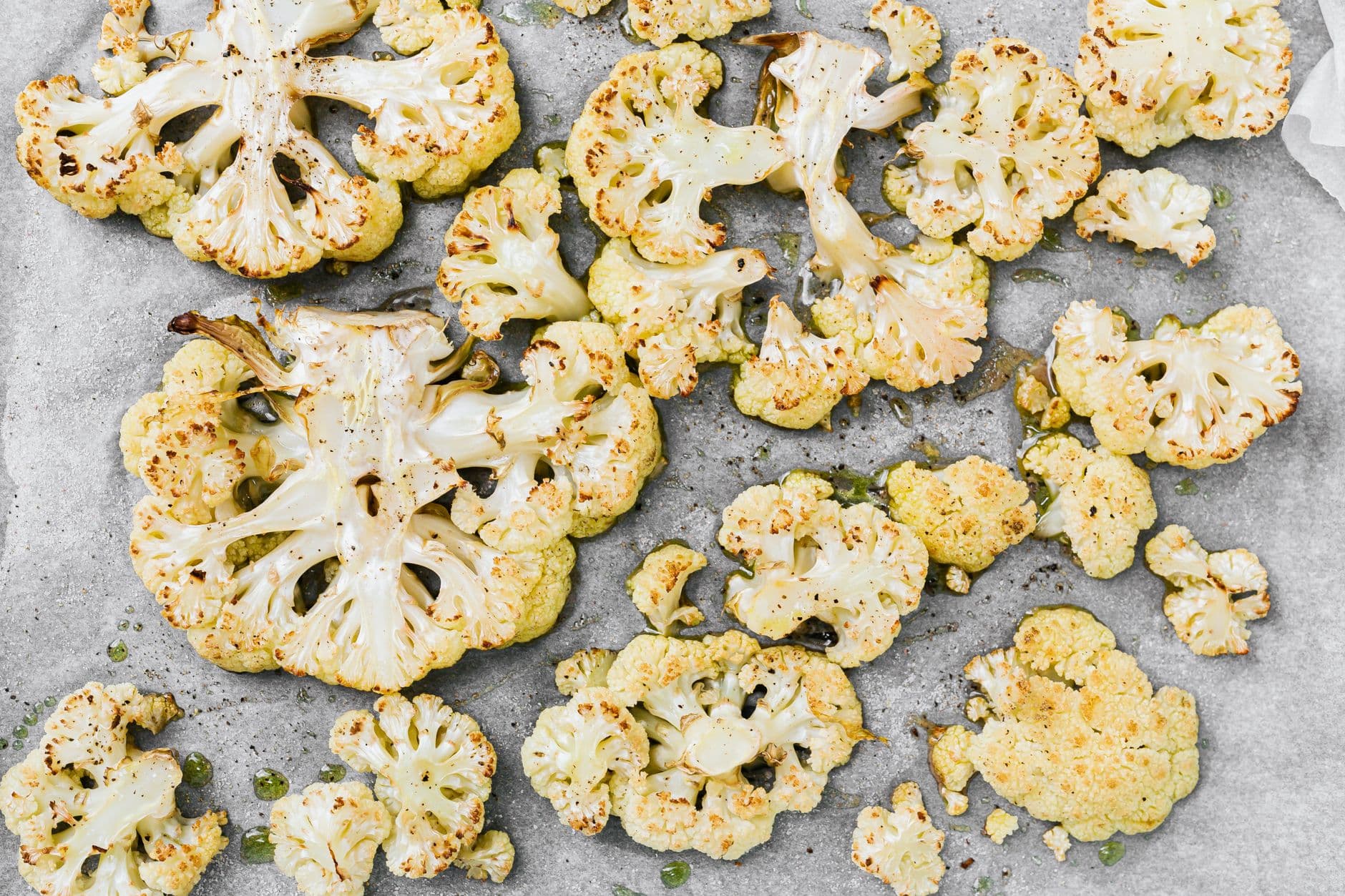
Home cooks love the promise of sheet-pan dinners: less mess, fewer pans, and (in theory) beautifully caramelized vegetables. Too often, though, the broccoli is soft and gray, the carrots limp, and everything tastes like it spent too long in a sauna. The culprit isn’t your oven—it’s usually a matter of timing, spacing, and water. Crowd the pan and vegetables steam; give them room and they brown, even on a weeknight.

Cover image for Using Pasta Water So a Weeknight Sauce Actually Clings
Weeknight Cooking

Using Pasta Water So a Weeknight Sauce Actually Clings

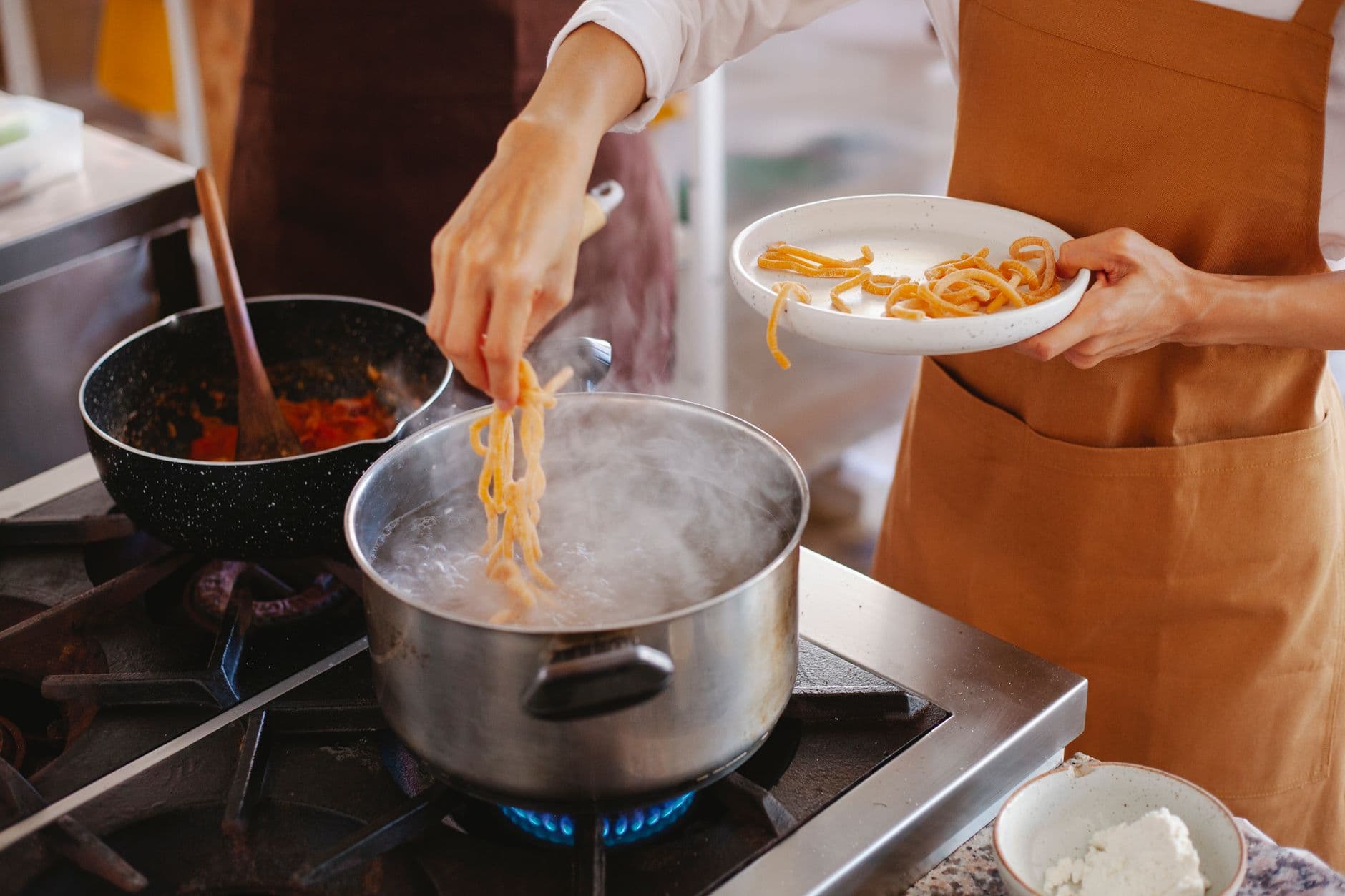
Anyone who’s tried to toss spaghetti with a homemade sauce and ended up with a pool at the bottom of the bowl knows: weeknight pasta can go wrong in ways that feel unfair. One of the most common frustrations is a sauce that slides off the noodles instead of coating them. The fix—the strategic use of pasta water—sounds simple, but plenty of home cooks hit snags. Here’s how to make pasta water work for you, why it matters, and what to do when it doesn’t go as planned.

Cover image for Turning Leftover Rice Into a Complete Dinner
Weeknight Cooking

Turning Leftover Rice Into a Complete Dinner

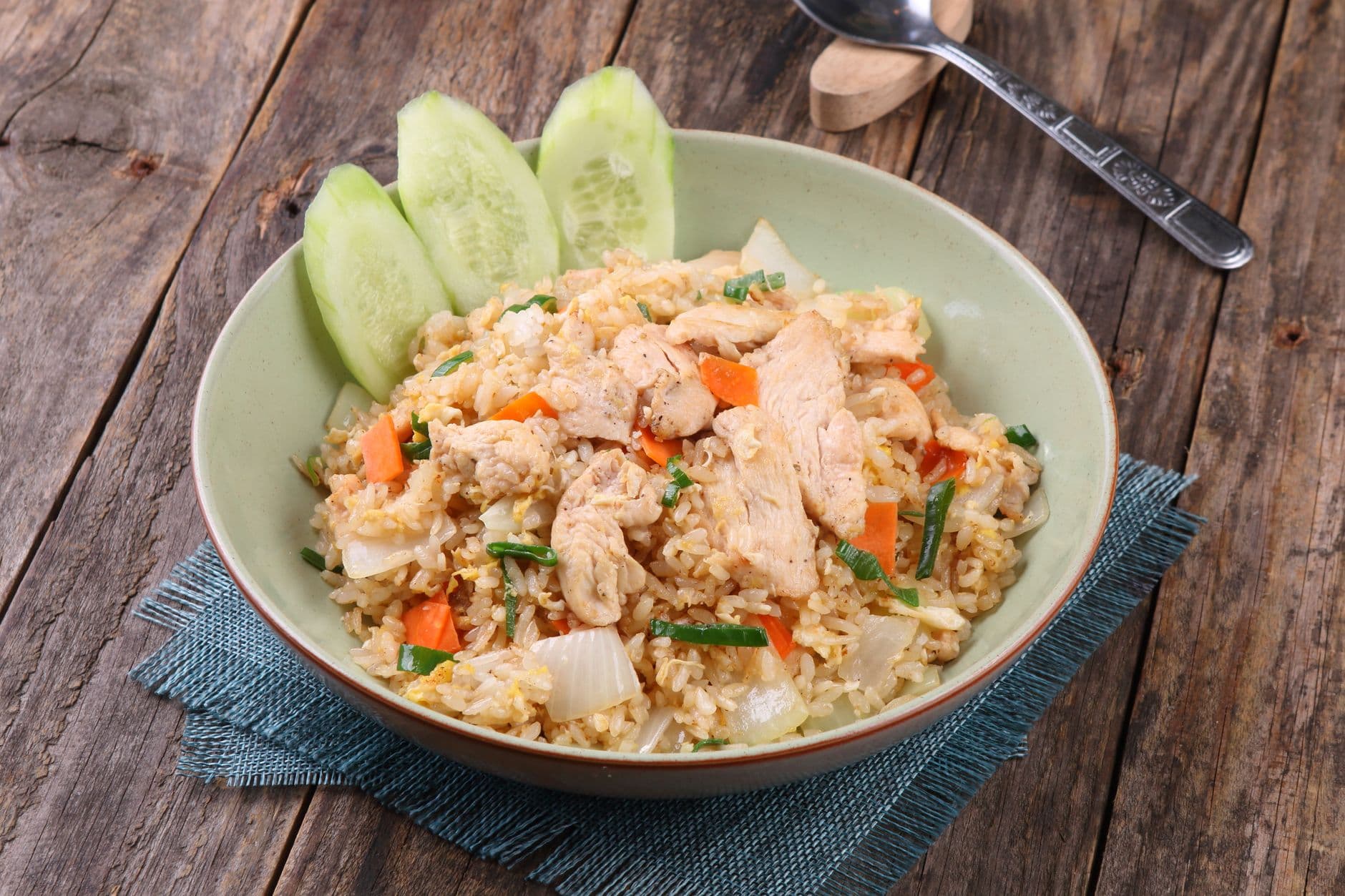
You open the fridge, spot a container of cold rice, and wonder whether it’s destined to languish or can become dinner. The answer isn’t just about what you crave—it’s about food safety, timing, and what else you have on hand. This guide walks through the main ways to transform leftover rice into a full meal, with practical advice on when to choose each method, how to keep things safe, and how to make the most of your pantry. From speedy fried rice to simmered soups and hearty casseroles, here’s how to make leftover rice dinner-worthy.

Pantry and Ingredients

All pantry and ingredients
Cover image for Choosing a Cooking Oil by Smoke Point Without the Hype
Pantry and Ingredients

Choosing a Cooking Oil by Smoke Point Without the Hype

You’re standing at your stove, pan heating up, and suddenly your oil starts smoking—long before your vegetables hit the skillet. The internet is full of charts and rules about cooking oil smoke point, but most home cooks don’t need a chemistry degree to avoid burnt oil or bitter flavors. Instead, let’s troubleshoot the real failure modes you’ll encounter, cut through the hype, and help you make practical oil choices for everyday home cooking.

Cover image for When Canned Tomatoes Beat Fresh in a Home Kitchen
Pantry and Ingredients

When Canned Tomatoes Beat Fresh in a Home Kitchen

Every home cook eventually faces the canned vs fresh tomatoes dilemma. Whether you’re simmering a sauce or topping a pizza, the decision isn’t just about flavor—it’s about practicality, safety, and the way tomatoes transform in heat. This article walks through the real-world factors that tip the scales in favor of canned tomatoes, and when fresh truly shines, all grounded in the needs and rhythms of a home kitchen.

Cover image for Refreshing Spice Jars Without Throwing Out What Still Works
Pantry and Ingredients

Refreshing Spice Jars Without Throwing Out What Still Works

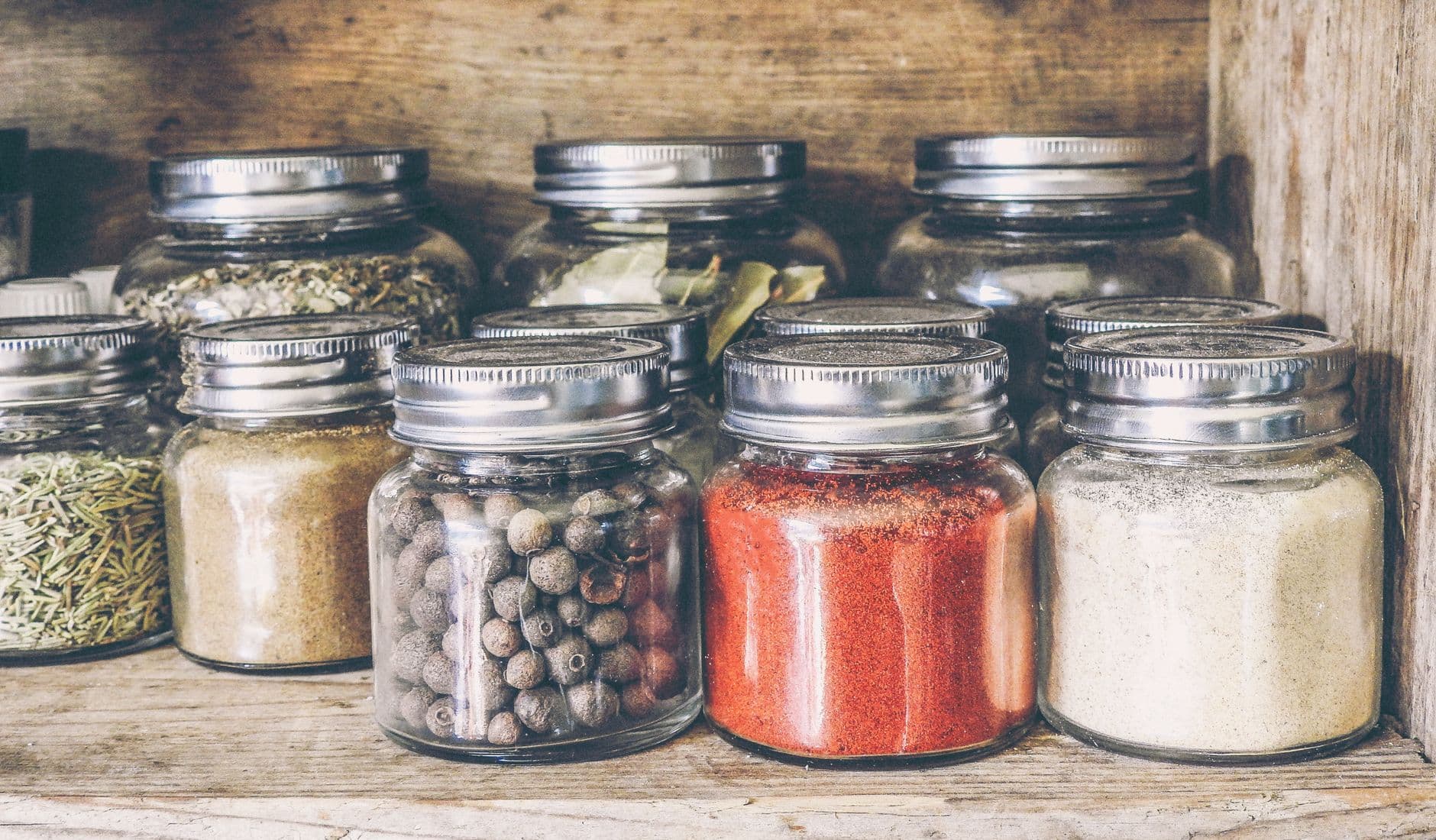
Stale, faded spices are a quiet culprit behind lackluster home cooking, but dumping every jar after the 'best by' date is wasteful and expensive. This troubleshooting guide untangles when to keep, toss, or revive what’s on your shelf—so you can refresh your spice jars for peak flavor without unnecessary waste. From easy sniff tests to strategies for using up older spices, we’ll help you make the most of every pinch, safely and sensibly.

Kitchen Skills

All kitchen skills
Cover image for Using Residual Heat So Food Finishes Without Overcooking
Kitchen Skills

Using Residual Heat So Food Finishes Without Overcooking

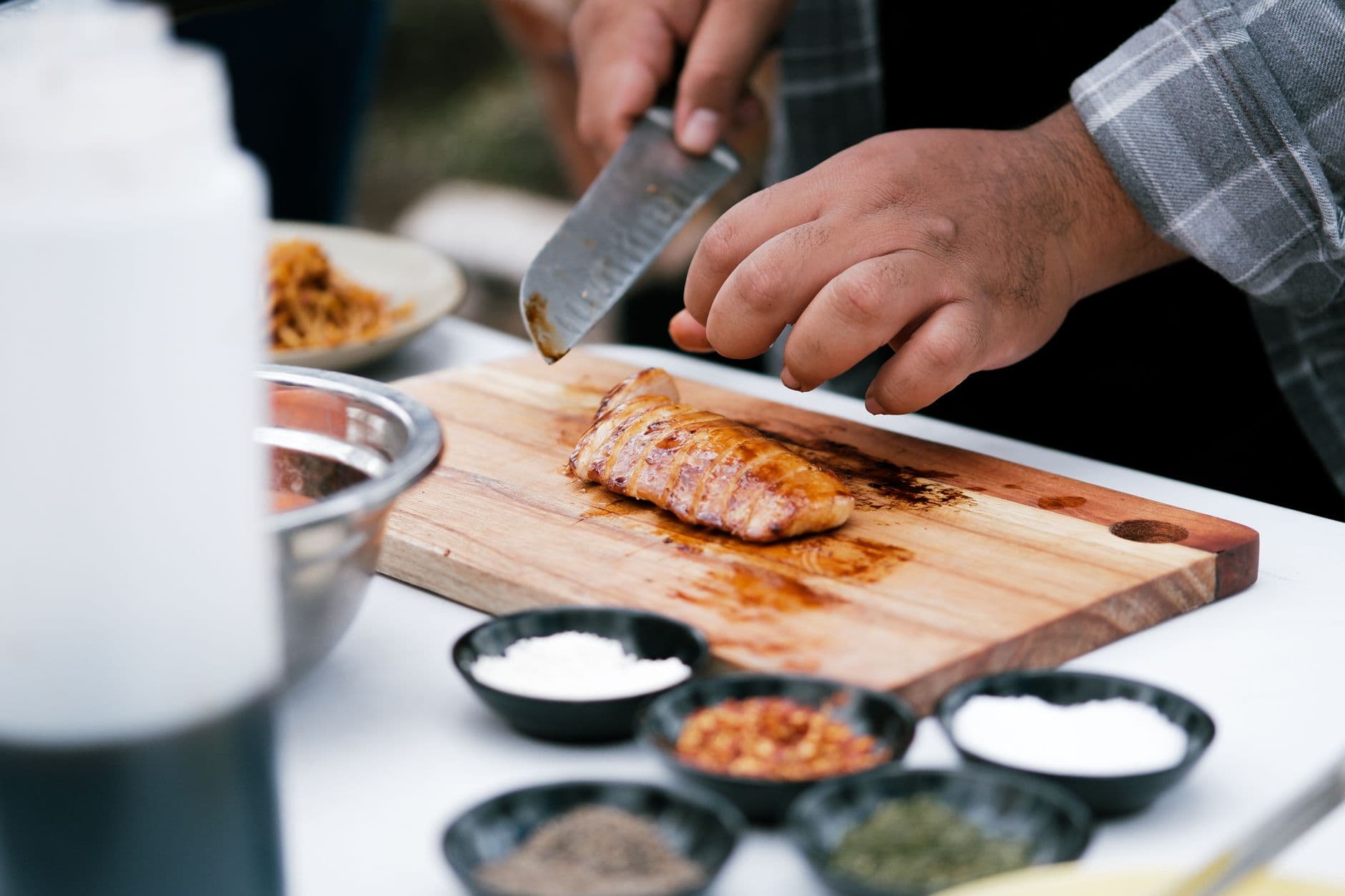
Every home cook has faced the heartbreak of pulling a roast or chicken from the oven, only to find it disappointingly dry after resting. The culprit is often carryover cooking—when residual heat keeps raising the internal temperature even after the heat source is off. Mastering this phenomenon lets you hit perfect doneness without overcooking, especially for proteins. This practical guide explains how carryover cooking works, when it matters most, and how to harness it for reliably juicy results, including a detailed chicken breast example.

Cover image for When to Salt During Cooking So Food Tastes Seasoned, Not Salty
Kitchen Skills

When to Salt During Cooking So Food Tastes Seasoned, Not Salty

Every home cook has faced the dilemma: you follow a recipe, add the recommended salt, and still end up with food that’s either bland or bracingly salty. Getting seasoning right isn’t just about quantity—it’s about timing. Salt behaves differently depending on when you add it, and understanding this can mean the difference between a dish that sings and one that disappoints. The usual problems are salting too late, salting only at the end, or treating every food the same. Below: when salt helps, when it just sits on the surface, and how to recover a bland or overly salty pan.

Cover image for A Stable Knife Grip and Board Setup for Home Cooks
Kitchen Skills

A Stable Knife Grip and Board Setup for Home Cooks

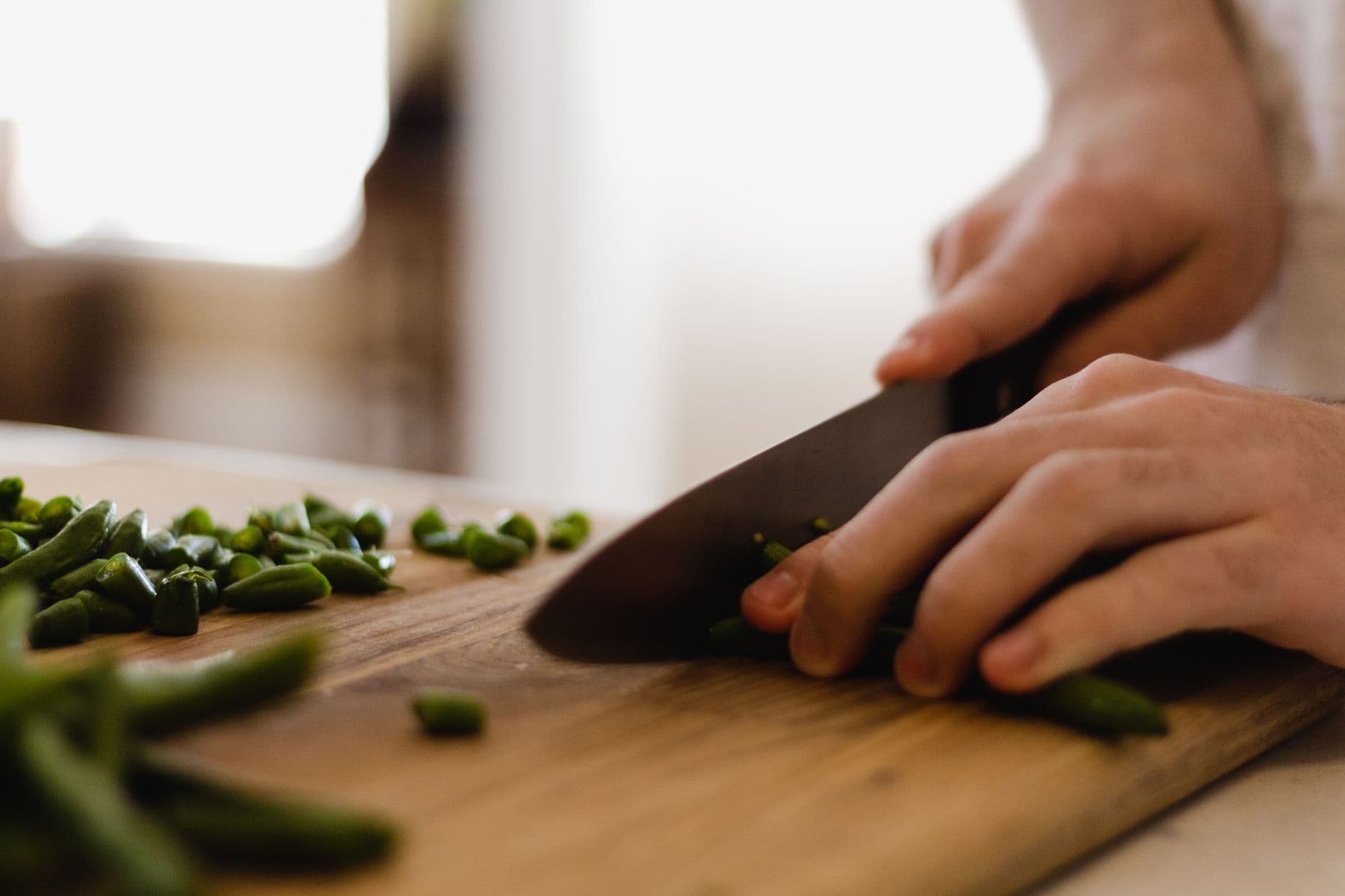
When prepping dinner, the way you hold your knife and set up your cutting board can mean the difference between a safe, enjoyable cooking session and a frustrating, risky one. Home cooks often inherit habits from TV, friends, or family, but not every grip or board placement works for every task or kitchen. Here is how to choose a knife grip and board setup for your space, your ingredients, and your comfort—without treating any one method as universal.

Culinary Traditions

All culinary traditions
Cover image for Store-Bought Versus Homemade Dumpling Wrappers
Culinary Traditions

Store-Bought Versus Homemade Dumpling Wrappers

When the urge for dumplings strikes, home cooks face a crucial choice: reach for a packet of store-bought wrappers or make dough from scratch. Each path shapes the cooking experience and final result, from the texture of the dumpling skin to how it behaves under your fingertips. This practical editorial guides you through the trade-offs—speed, tradition, texture, and food safety—so you can confidently choose the right wrapper for your next batch, whether you’re folding for a family feast or a solo experiment.

Cover image for A Yogurt Marinade Map for Chicken and Vegetables
Culinary Traditions

A Yogurt Marinade Map for Chicken and Vegetables

You’re eyeing a pack of chicken thighs and a drawer of vegetables, but you want more than salt and oil. Yogurt marinade promises flavor and tenderness—but what goes in, how long is enough, and can you toss in your carrots and peppers too? This planning narrative lays out the evening step-by-step: prepping, marinating, food safety, and roasting, so you can confidently build a yogurt marinade for chicken and vegetables, adapting to what’s in your fridge. Along the way, you’ll learn how yogurt’s tangy base helps flavor and tenderness, how to handle produce and poultry together, and what to do with leftovers for safe, delicious results.

Cover image for Sofrito, Mirepoix, and Their Cousins as a Starting Mix
Culinary Traditions

Sofrito, Mirepoix, and Their Cousins as a Starting Mix

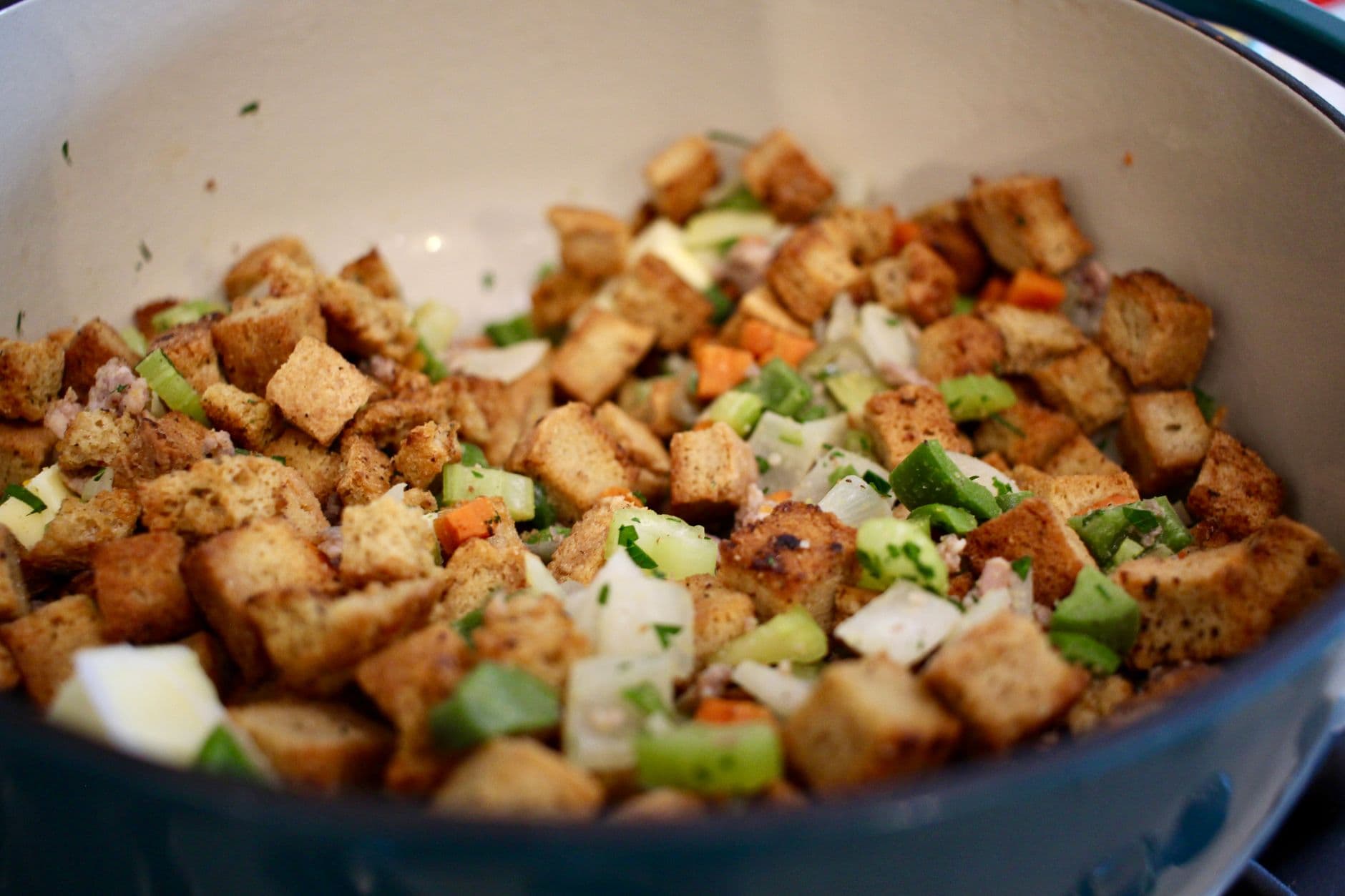
Every home cook eventually faces the question: which aromatic base should I use to jumpstart flavor—sofrito, mirepoix, or something else? Understanding the differences between these foundational mixes is not just about tradition, but about practical results in your pot. This article untangles the similarities and distinctions of sofrito vs mirepoix, explores their global cousins, and shows, step by step, how to build a versatile soup using whatever you have on hand—without sacrificing food safety or flavor.

Meal Planning

All meal planning
Cover image for Packing Tomorrow’s Lunch From Tonight’s Cooking
Meal Planning

Packing Tomorrow’s Lunch From Tonight’s Cooking

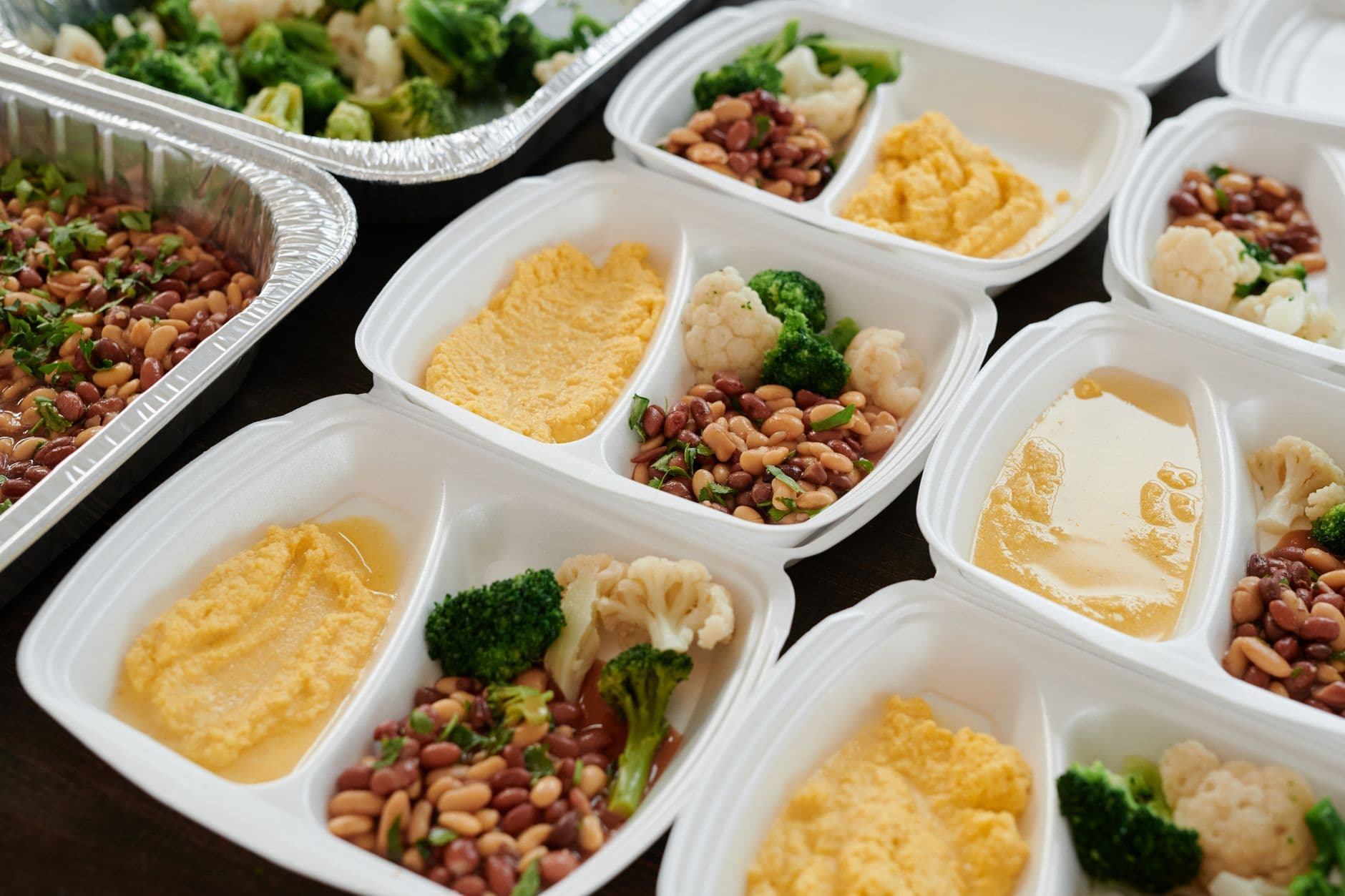
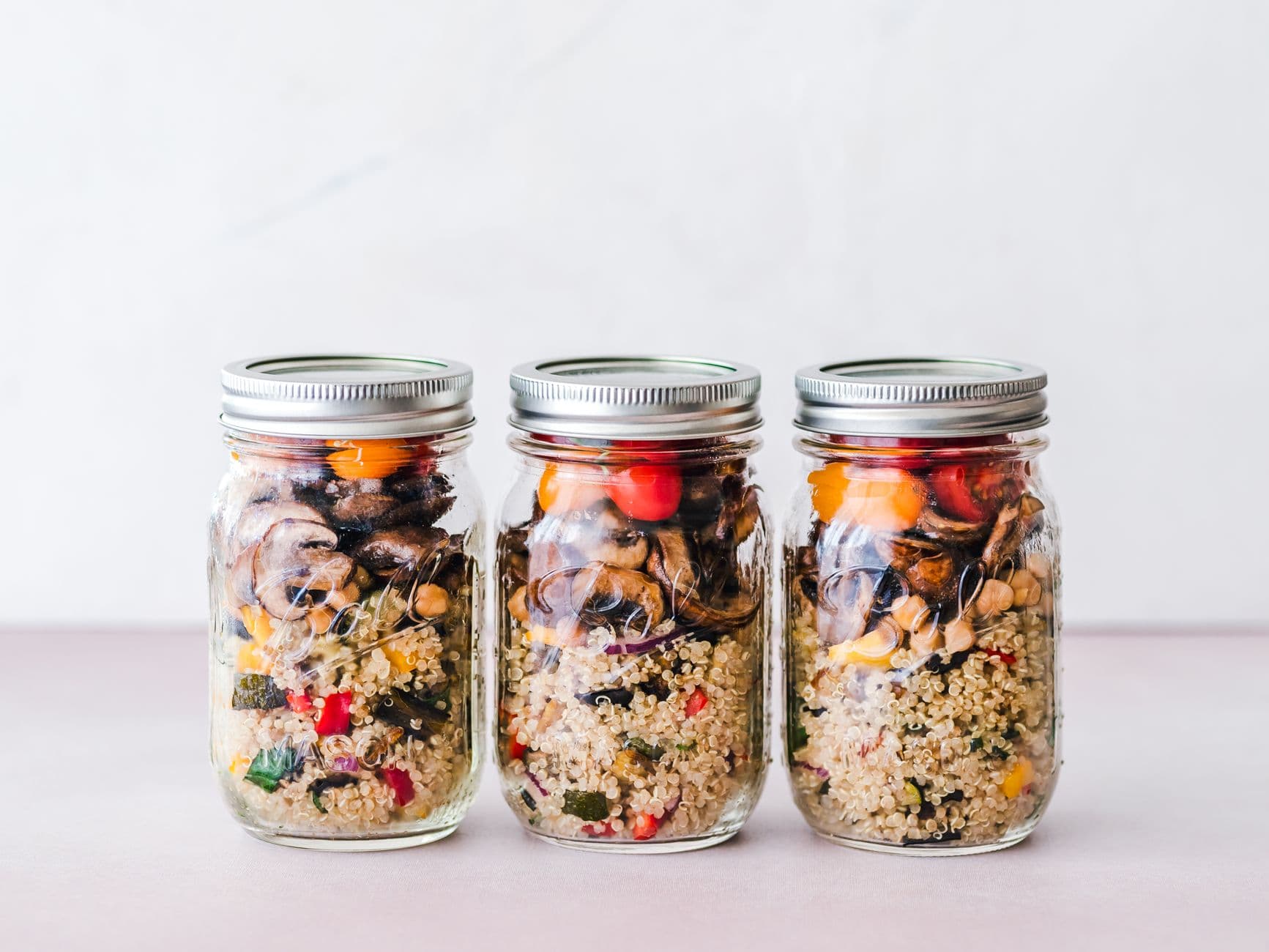
Turning dinner leftovers into tomorrow’s lunch is a practical way to save time, reduce food waste, and simplify your meal planning. But doing it well means more than just scooping last night’s meal into a container. The right approach can keep your lunch appetizing, safe, and actually something you’ll look forward to. Here’s how to make packing lunch from dinner leftovers a reliable, rewarding habit, with a step-by-step example to guide you.

Cover image for A Weekly Vegetable Plan That Uses the Fragile Ones First
Meal Planning

A Weekly Vegetable Plan That Uses the Fragile Ones First

Every home cook has faced the wilted arugula or forgotten half-onion at the back of the fridge. A weekly vegetable meal plan doesn’t just save money—it lets you enjoy the best of your market haul, from the delicate greens that barely last a day to the sturdy roots that can anchor next week’s meals. This narrative walks through a realistic evening in the kitchen, sequencing what to use when, with food safety worked into each step and pragmatic tips for keeping both flavor and freshness at their peak.

Cover image for Batch-Cooking Grains Without Ending Up With a Gluey Pot
Meal Planning

Batch-Cooking Grains Without Ending Up With a Gluey Pot

Batch-cooking grains can turn weeknight meals from stressful to seamless, but it’s also where many home cooks stumble—ending up with sticky, overcooked, or bland results. This editorial walks through a realistic evening of prepping big-batch grains, from choosing which ones to cook to chilling and storing them safely. You’ll learn how to avoid mush, keep flavors fresh, and make future dinners far easier (and tastier) without risking food safety missteps.

More from the archive